

Description
Highlights:
- Gains of 16BHP
- Gains of 20NM of torque
- Inlet air temp reduction (IATS) of up to 58%
- Made in the UK
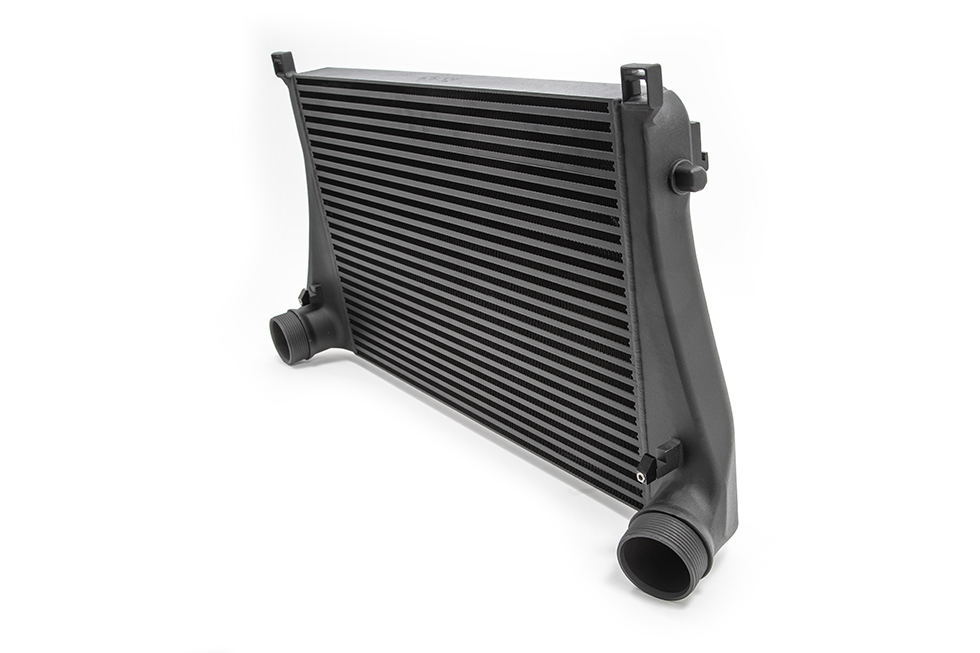
- 76mm inlet and outlets (OEM 63mm)
- 83% volume increase over the OEM
- No cutting of the vehicle 100% plug and play
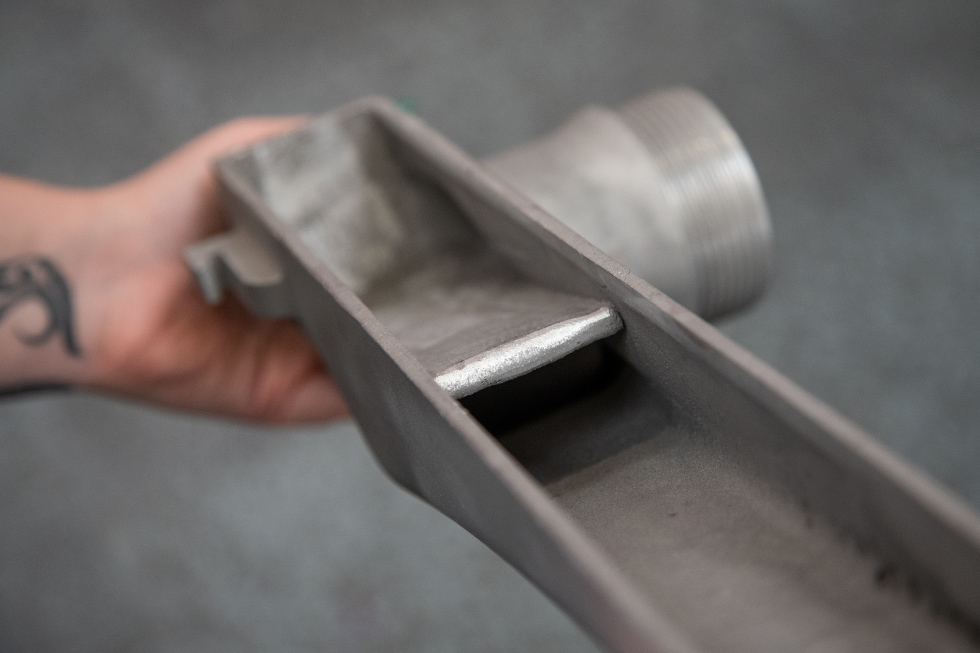
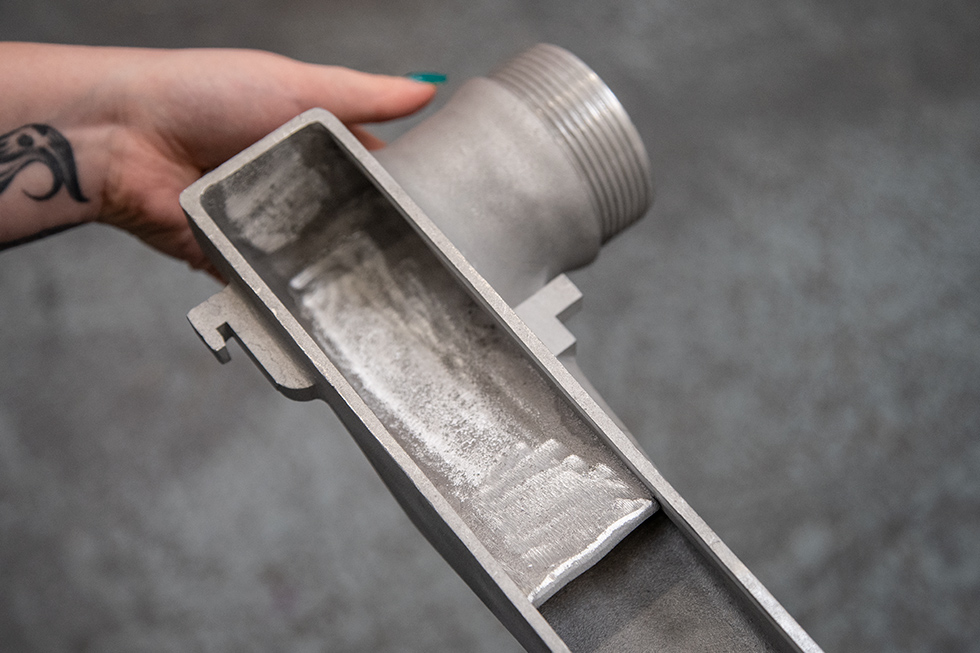
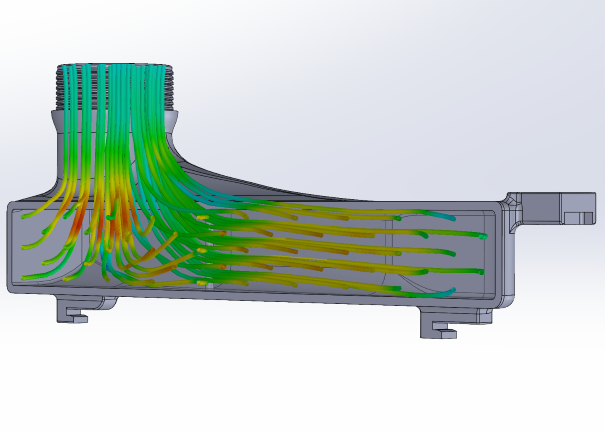
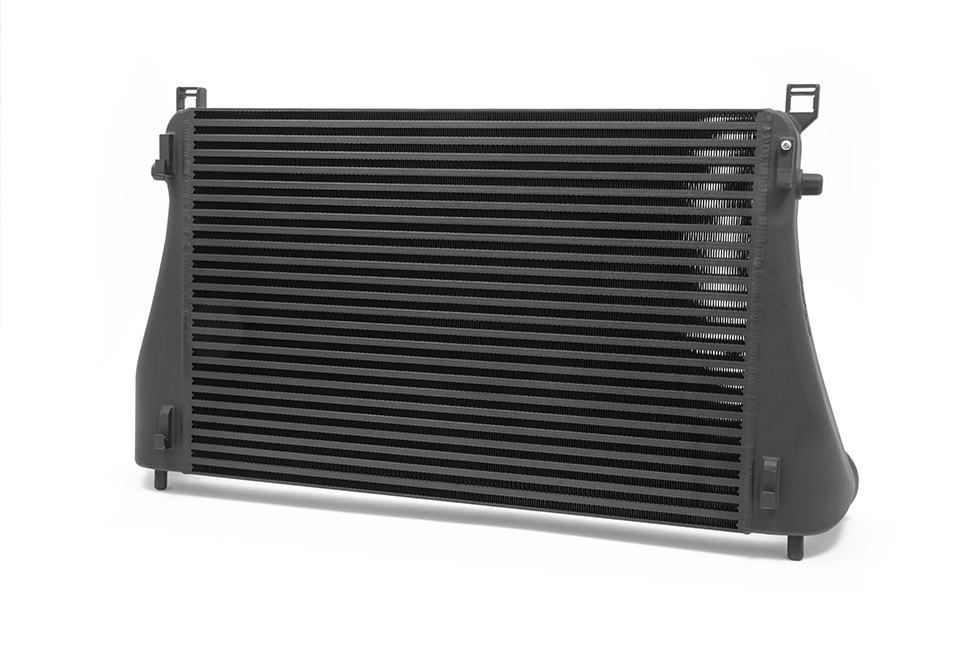
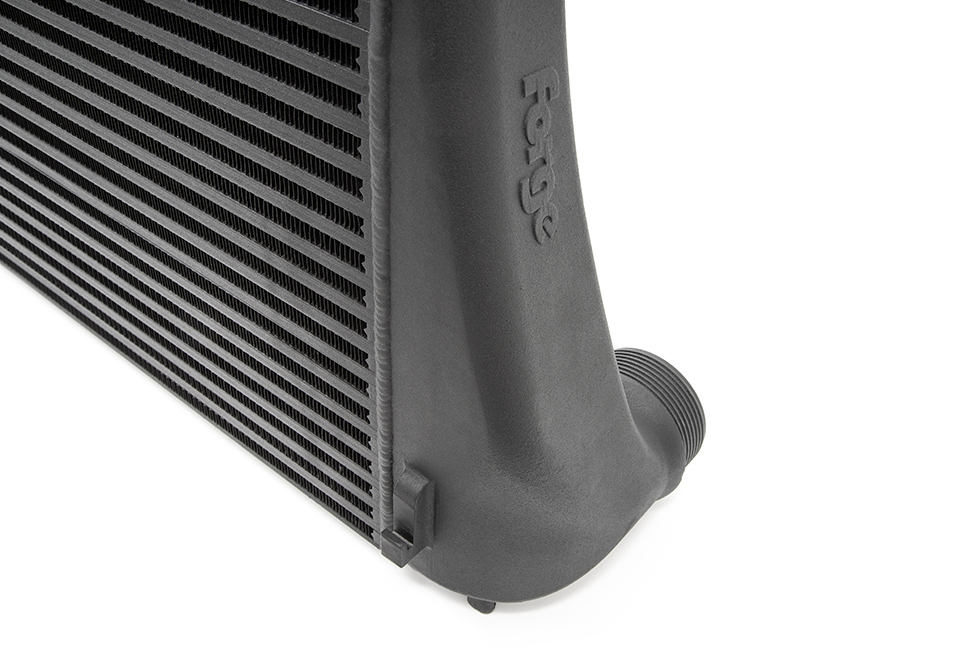
- High flow baffled cast end tanks ensuring optimum air transition for cooling efficiency
- Lifetime warranty

This part will replace the following OEM parts: 5Q0145803H, 5Q0145803K, 5Q0145803L, 5Q0145803P, 5Q0145803S, 5Q0145803N
Following on from our previous intercooler solution for the MK7 golf and MQB chassis variants that utilise the EA888 2.0 GEN3 2.0 TSI engine, we have designed our race intercooler to further enhance performance over the original intercooler and our previous iteration of our cooling solution, designed, developed and tested, at our headquarters in Gloucester UK. Throughout the development process we have strived to improve the efficiency and performance of the EA888 GEN3 engine. Our project brief was to develop an intercooler that utilised all of the available space in the original position of the OEM intercooler along with increasing the size again over our hugely successful product FMMK7FMIC. We also had to ensure the inlet air temperature is reduced, without any negative effects on the boost pressure or engine and transmission cooling.
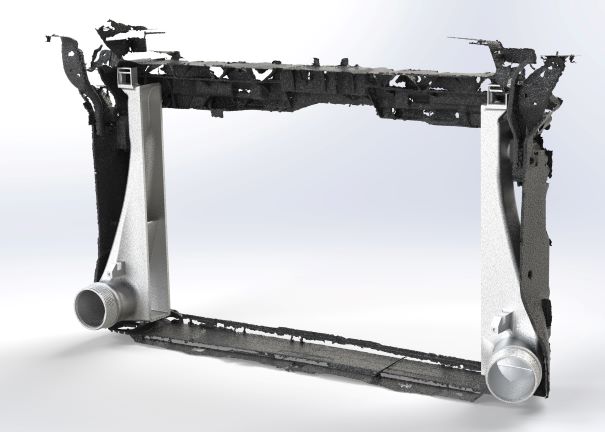
In the MQB chassis the intercooler housing is particularly restricted and confined to a small amount of space, due to it not only housing the intercooler, but also the radiator and air conditioning condenser. The front panel in theory is a sandwich pack that houses the auxiliary cooling components. This means in order to increase the size of the intercooler without paying detriment to the performance of the surrounding items, and with also having very little extra space available, that it can be very difficult to execute the perfect blend of a high flow intercooler within such a close proximity. Our research and development engineers went back to the drawing board looking at previous documented dimensions while also taking new scans of the intercooler housing, this enabled the team to squeeze a further 10mm in depth of the core that houses very snugly into the earlier MQBs platform.
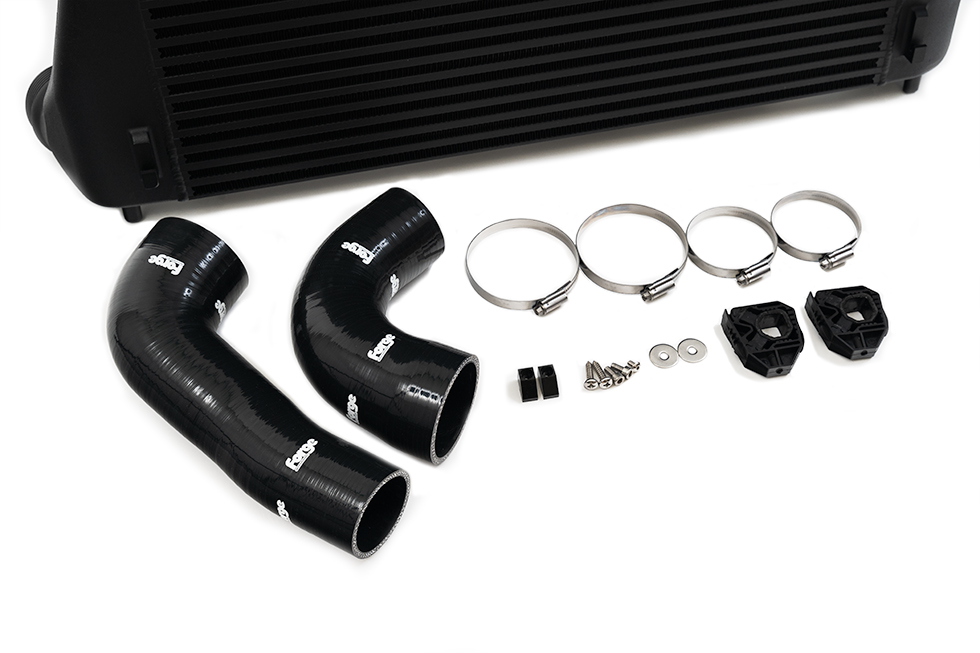
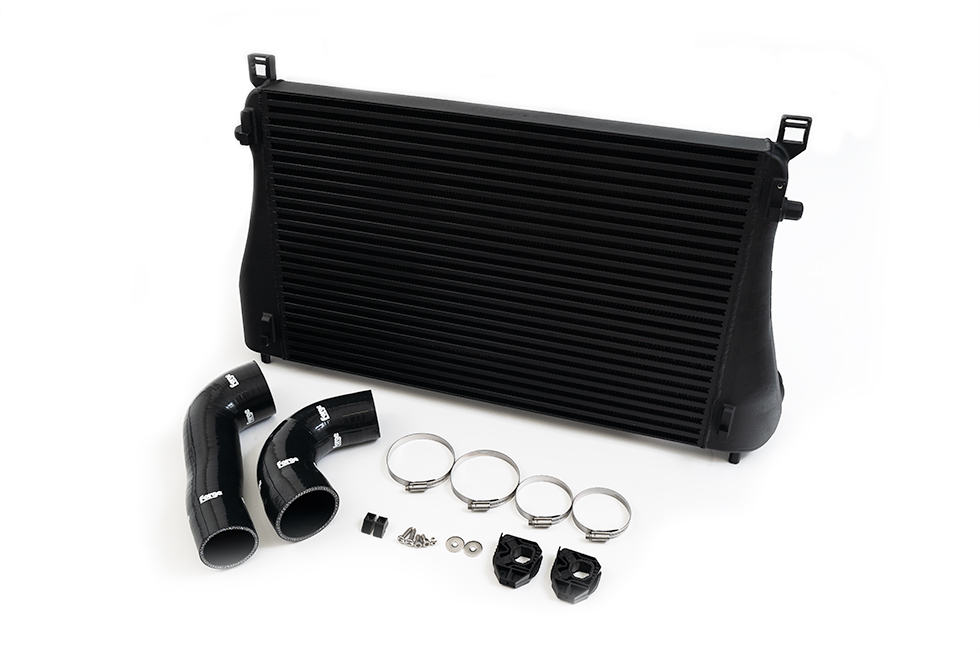
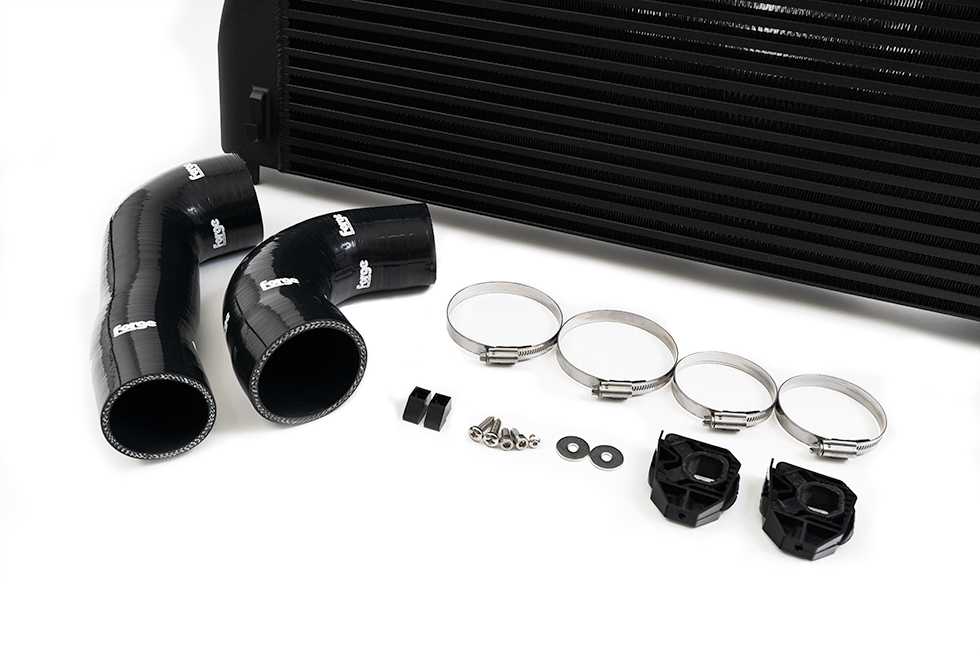
We also looked at the differences between the Mk7 and Mk8 cooling components and found that the Mk7 Golf GTI and Golf R has a thicker radiator than the MK8 equivalent models thus meaning we also needed to consider any fitment procedures carefully. The design team started to 3d print the intercooler end tanks while creating a test sample dummy core to fit to the Mk7s platform and check for any clearance issues that may occur. The final chosen design has increased inlet and outlet sizes along with increasing the volumetric capacity to increase flow which aids with future proofing the design to work well with highly tuned stage 3 plus EA888 Gen 3 engines as well as offering the best cooling solutions for either a stock or mildly modified powerplant. This gives the best package for the enthusiast as they start their journey in enhancing the vehicles performance.
The 3d printed end tanks and dummy core enabled us to ensure the fit was perfect on the vehicle before any prototype castings or machined billet end tanks were produced ready for dyno testing. Several baffle configurations were designed, and flow simulated to ensure the maximum performance was obtained to keep the core working at its optimum, along with ensuring all its cooling capabilities had been upheld, and that the total volume of the core internal is utilised for optimum performance.
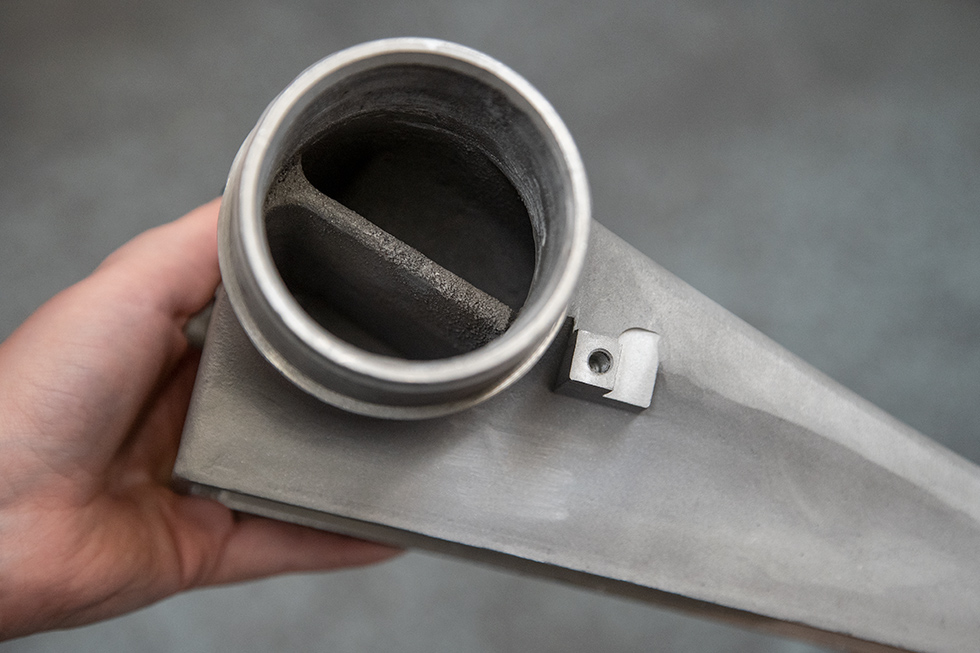
With an increase in inlet and outlet sizes, we then turned our attention to the design of our silicone hoses. With flow in mind, we have created a step within the hose so where the hose meets the hot and cold side of the inlet and outlet junctions the transition is seamless, this helps to lesson any disturbance to the airflow and prevent unwanted turbulence. To further aid with flow, the inlet and outlets have been increased to 76mm from the OEM size of 63mm which equates to a 45% increase in surface area.
The consideration of space and our clever design has led us to produce several intercooler cores with different fin configurations and internal capacities. Depending on the core design, testing results led us to choose a bar and plate design with over 83% more volume than the OEM intercooler, and with a frontal area increase of 10%.
Why do we test different cores?
Here at Forge Motorsport, when developing an intercooler, we will test several different cores for each application. For example, a bar and plate style core, a tube and fin style core along with different fin pitches and heights i.e. 22 fins per inch or 17 fins per inch as well as changing the internal fin pitches/shapes and density within the tube enabling to fine tune the amount of pressure drop the intercooler produces.
Pressure drop is not always a bad thing, as our testing and research has proven on various projects, this is because the pressurized air velocity is being stalled by the pressure drop within the cooler thus allowing more time to cool the air within the cooler itself, as air passes through the non-pressurized face of the core, that is open to the atmosphere. Too much pressure drop can of course have a problem on the higher performance engines as the intercooler reaches its maximum efficiency the turbo has to work a lot harder to force the air through the core. This in turn creates higher inlet air temps (IAT’s) due to the turbo creating more heat as it is over stressed and worked harder. No pressure drop can also prove to be inefficient as the cooler will not lower the charge temperature again resulting in higher inlet air temperatures.
Dyno Results
Testing was completed using Performance Remap in Gloucester with their VTEC 4-wheel drive dynamometer; this was to ensure all our data has been achieved with results as accurately as possible by an in
Reviews
There are no reviews yet.